
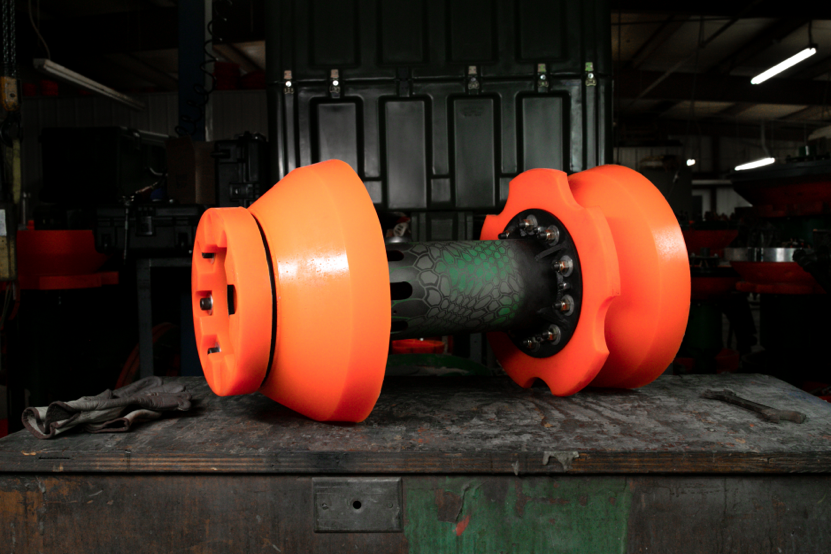
In the world of pipelines, reliability isn’t just a target—it’s a necessity. Energy, water, and utility networks depend on safe and efficient transport to serve millions daily. At the center of this mission is a tool that has quietly shaped the industry for decades: the Pipeline Inspection Gauge, commonly called the PIG.
What started as a basic cleaning device has evolved into one of the most advanced technologies in the midstream operator’s toolkit. From utility PIGs to today’s smart PIGs with multi-sensor capability, the story of this evolution reflects how far the industry has come in safeguarding critical infrastructure.
The Humble Beginnings: Utility PIGs
When PIGs were first introduced, their purpose was simple—keep pipelines clear and flowing. Early versions, often made of foam or metal with rubber components, were primarily cleaning tools.
- Foam PIGs: Lightweight and flexible, they were cost-effective solutions for drying, batching, and debris removal.
- Brush and Scraper PIGs: Outfitted with bristles or blades, they targeted wax buildup, scale, and other contaminants.
- Sealing PIGs: Using cups or discs, these PIGs separated products in multipurpose pipelines or removed liquids during maintenance.
These utility PIGs extended pipeline life and reduced blockages, but they couldn’t tell operators much about the pipe itself. The industry needed more than cleaning—it needed insight.
The First Step Toward Intelligence: Inspection PIGs
As pipelines became longer, more complex, and more regulated, the need to understand their internal condition grew. This led to the next stage in the PIG’s evolution: the inspection PIG.
- Caliper PIGs: These gauges measured the internal diameter of the pipeline, helping operators identify dents, ovalities, and other geometry changes that could restrict flow or cause integrity concerns.
- Magnetic Flux Leakage (MFL) PIGs: By magnetizing the pipe wall, MFL tools revealed areas of metal loss due to corrosion—one of the biggest threats to pipeline safety.
- Ultrasonic Testing (UT) PIGs: Using high-frequency sound waves, UT PIGs measured wall thickness and identified cracks and flaws with precision.
These tools marked a turning point. For the first time, pipelines could be “inspected from within,” giving operators the ability to monitor integrity and prevent issues before they became costly failures.
The Smart PIG Era: Multi-Sensor Capability
Modern Pipeline Inspection Gauges—better known as smart PIGs—have transformed inspection into a data-driven science. Today’s smart PIGs are packed with technology, capable of capturing thousands of measurements per second as they travel through pipelines.
Key Features of Smart PIGs
- Multi-Sensor Integration: Modern tools combine MFL, UT, electromagnetic acoustic transducers (EMAT), and other sensors in a single device, delivering a complete picture of pipeline health.
- High-Resolution Data: Today’s gauges can detect defects measured in millimeters, making it possible to spot small anomalies before they escalate.
- Real-Time Positioning: GPS and inertial mapping allow operators to pinpoint the exact location of anomalies, streamlining repair planning.
- Advanced Analytics: Inspection runs generate vast amounts of data, which is processed with specialized software to produce actionable insights.
What once required multiple runs with different tools can now be achieved with a single, smart PIG inspection. The result: greater efficiency, lower costs, and better-informed decisions.
Why the Evolution Matters
The transformation from utility to smart PIGs isn’t just about technology—it’s about risk reduction and operational excellence.
- Safety First: Pipelines transport critical resources across communities and ecosystems. Smart PIGs help operators detect corrosion, cracks, and coating failures before they lead to leaks or ruptures.
- Cost Efficiency: Multi-sensor inspections reduce downtime and eliminate the need for multiple runs, saving operators millions in inspection and repair costs.
- Regulatory Compliance: Governments and industry bodies demand detailed inspection records. Smart PIGs provide the level of data required to meet strict standards.
- Proactive Maintenance: Instead of reacting to problems, operators can schedule targeted repairs, extending asset life and improving reliability.
The Role of Pre-Inspection Preparation
Even the smartest inspection tool is only as good as the conditions it operates in. Pipelines need to be clean and free from restrictions to ensure accurate readings. That’s where Winterhawk Pipeline Services delivers critical value.
We don’t run MFL, UT, or combo in-line inspections ourselves—that’s the role of specialized inspection vendors. Instead, our expertise lies in preparing pipelines so those inspections deliver maximum value.
- Caliper Tools: Identify restrictions, dents, and geometry issues before an inline inspection.
- GoNoGo Tools: Provide quick checks to confirm that an inspection tool can safely pass through the pipeline.
- Debris Mapping Tools: Detect and measure debris fields so operators can clean strategically and prevent tool hang-ups.
This preparation minimizes the risk of costly re-runs, protects inspection equipment, and ensures operators receive the most accurate data possible.
Real-World Impact
Consider an operator preparing for a high-stakes MFL run. Without knowing whether debris or dents might interfere, they risk tool damage or failed inspections. By deploying Winterhawk’s Caliper and Debris Mapping tools first, the operator gains confidence that their pipeline is ready. The result is smoother operations, better data, and avoided delays.
This kind of preparation isn’t just about convenience—it’s about protecting multi-million-dollar assets and ensuring regulatory compliance without unnecessary downtime.
Conclusion
The Pipeline Inspection Gauge has evolved from a humble cleaning device into one of the most advanced technologies in the pipeline industry. Utility PIGs laid the foundation, inspection PIGs opened the door to internal monitoring, and today’s smart PIGs deliver a comprehensive view of pipeline health with multi-sensor precision.
But even the most sophisticated tools rely on proper preparation. With Winterhawk Pipeline Services, operators gain the confidence that their pipelines are inspection-ready, ensuring that smart PIGs deliver results—not setbacks.
The future of pipeline integrity depends on a balance of advanced inspection and reliable preparation. Together, these approaches keep projects on schedule, assets protected, and communities safe.