
Pipeline operators have always faced the same challenge: how to keep critical assets safe, efficient, and reliable in the face of complex risks. For decades, physical inspections and periodic surveys were the backbone of integrity management. While effective, these methods often left operators reacting to problems after they surfaced. Today, however, a new generation of pipeline integrity tools—powered by artificial intelligence (AI) and real-time data—has begun to flip the script. Instead of chasing failures, operators can now predict and prevent them.
From anomaly detection algorithms to IoT-enabled sensors, these innovations are reshaping how the industry thinks about risk management. Let’s explore how AI and real-time monitoring are driving this transformation, and what the future of integrity management could look like.
AI-Powered Tools: Smarter Insights for Safer Pipelines
AI is no longer just a buzzword—it’s an essential component of modern pipeline integrity tools. The technology allows operators to process massive amounts of data and detect risks that human analysts might miss.
- Anomaly Detection: Machine learning models can sift through years of operational data, spotting subtle deviations in pressure, temperature, or flow patterns that could indicate early-stage corrosion or leaks.
- Pattern Recognition: By comparing new inspection results against historical records, AI can reveal recurring issues in specific segments of the pipeline, allowing for targeted interventions.
- Digital Twins: These are virtual replicas of physical pipelines, continuously updated with real-world data. Operators can run “what-if” scenarios, test maintenance strategies, and forecast how assets will behave under different operating conditions.
The result? AI doesn’t just provide raw numbers—it turns data into actionable intelligence, helping operators prioritize repairs and optimize budgets.
Real-Time Monitoring: From SCADA to IoT Integration
One of the biggest leaps in pipeline safety has come from the integration of real-time monitoring systems. While Supervisory Control and Data Acquisition (SCADA) platforms have long provided visibility into pipeline operations, today’s IoT advancements take that visibility to another level.
- IoT Sensors: Deployed along pipelines, these sensors measure pressure, temperature, vibration, and flow. Unlike periodic inspections, they deliver continuous data streams.
- SCADA Integration: AI-enhanced SCADA systems can now process these streams in real time, identifying anomalies before they escalate.
- Continuous Data Collection: Instead of waiting weeks or months for inspection results, operators have 24/7 visibility into pipeline health, allowing for near-instant responses to emerging threats.
This constant flow of information means problems like leaks, mechanical damage, or sudden pressure changes can be flagged and addressed before they turn into catastrophic events.
Reducing Risk with Predictive Analytics
Risk management is at the heart of every integrity program, and AI-driven tools are proving to be game changers. By analyzing both historical and real-time data, predictive models can identify areas most likely to fail in the near future.
For example:
- Corrosion Prediction: Algorithms can evaluate environmental factors, coating conditions, and past inspection data to forecast where corrosion is most likely to develop.
- Leak Detection: Instead of relying solely on pressure drops, AI can combine acoustic, vibration, and chemical sensor data to detect even the smallest leaks.
- Mechanical Damage: Pattern recognition tools can spot signs of pipeline dents, ovalities, or weld fatigue—before they pose a structural risk.
By predicting these issues in advance, operators can prioritize maintenance dollars where they will have the greatest impact, reducing both unplanned downtime and environmental exposure.
Future Trends: The Next Frontier in Pipeline Integrity Tools
The pace of innovation shows no signs of slowing. In fact, some of the most exciting developments are just beginning to emerge:
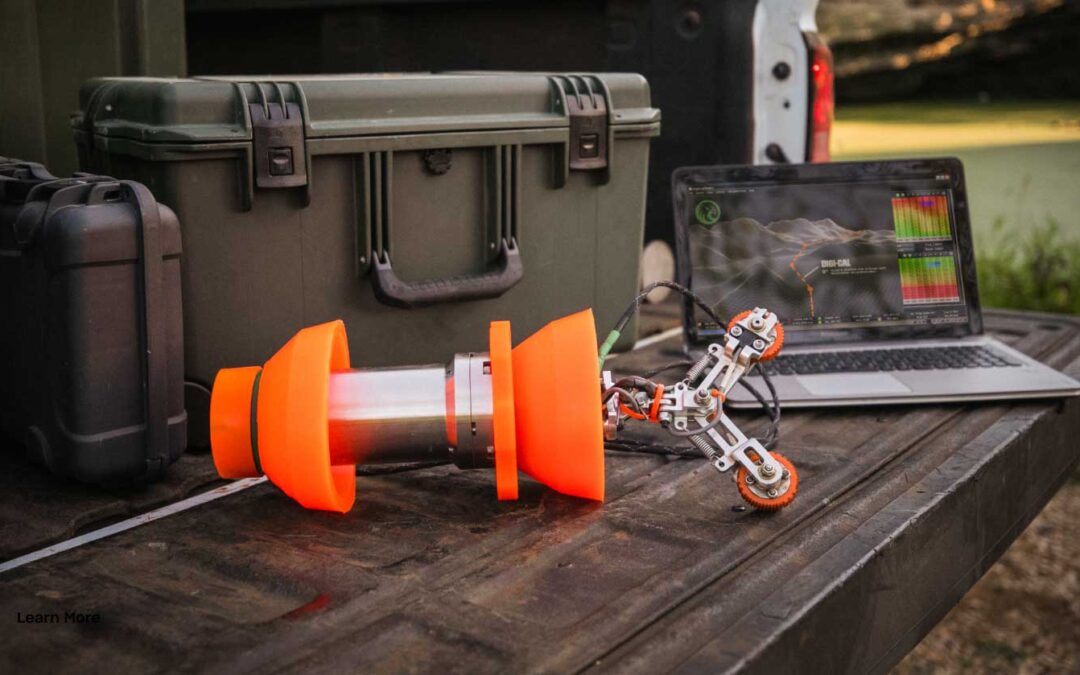
- Autonomous Inspection Robots: Unlike traditional inline tools that rely on flow for propulsion, robotic crawlers can move through pipelines independently, collecting high-resolution data even in unpiggable sections.
- Drone-Assisted Monitoring: Aerial drones equipped with thermal imaging and LiDAR can scan pipeline corridors for leaks, ground movement, or vegetation changes that may signal integrity threats.
- Hybrid AI-Human Analysis: While AI offers speed and scalability, human expertise remains invaluable for context and judgment. The future will likely see analysts and AI systems working side by side, blending computational power with industry experience.
These trends point toward a future where integrity management is less about reacting to crises and more about orchestrating a continuous cycle of prediction, prevention, and precision response.
The Role of Pre-Inspection Preparation
While AI and smart sensors dominate headlines, the reality is that even the most advanced pipeline integrity tools need proper conditions to perform. Pre-inspection preparation ensures that pipelines are ready for high-tech monitoring.
Winterhawk is actively exploring how emerging AI-driven data analysis can enhance our processes in the future. Our Data Analysis team is evaluating new technologies that will allow us to integrate smarter insights into our service offerings—strengthening the precision and value we deliver to every project.
By maintaining our foundation in proven pre-inspection excellence while planning for intelligent innovation, Winterhawk continues to position itself at the forefront of pipeline readiness and integrity support.
Conclusion
The emergence of AI and real-time monitoring is redefining how the industry approaches risk management. Today’s pipeline integrity tools are not just about collecting data—they’re about predicting the future, preventing failures, and optimizing every aspect of asset performance.
From anomaly detection and digital twins to SCADA-integrated IoT sensors, operators now have unprecedented visibility and control. Looking ahead, autonomous inspection robots, drone-assisted surveys, and hybrid AI-human workflows promise to elevate integrity management even further.
But technology alone isn’t enough. Success depends on preparation, execution, and trusted partners. With the support of Winterhawk Pipeline Services, operators can be confident their pipelines are inspection-ready—so AI and real-time monitoring can deliver their full potential.