
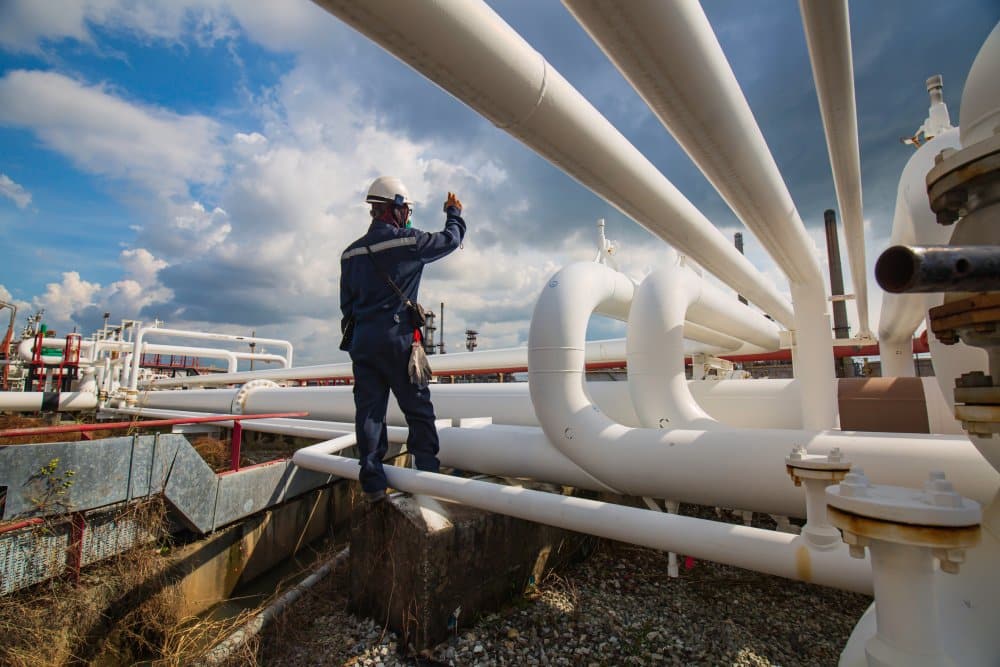
In pipeline operations, visibility is everything. Knowing exactly where your pipeline runs, what condition it’s in, and where potential issues may arise allows operators to make faster, smarter decisions. A modern pipeline mapping tool combines the power of GIS (Geographic Information Systems) with advanced PIG tracking to create a detailed, real-time picture of pipeline assets.
From oil and gas transmission to water distribution networks, these technologies work hand in hand to transform pipeline monitoring from reactive to predictive—reducing risk, improving safety, and boosting efficiency.
GIS: The Digital Backbone of Pipeline Monitoring
Geographic Information Systems (GIS) form the foundation of today’s most advanced pipeline mapping tools. GIS software collects, stores, and visualizes location-based data, turning complex datasets into easy-to-understand maps.
For pipeline operators, GIS can:
- Map pipeline routes with extreme accuracy – Integrating survey data, aerial imagery, and GPS coordinates to provide a precise digital footprint.
- Track asset conditions over time – Layering inspection data, maintenance records, and environmental risk factors on top of the pipeline route.
- Identify high-risk areas – Highlighting zones prone to corrosion, erosion, or third-party interference.
By centralizing this information, GIS enables operators to see not only where the pipeline is, but also how it’s performing in real-world conditions.
PIG Tools: From Basic Gauges to Smart Technology
Pipeline Inspection Gauge (PIG) tools—especially smart PIGs—are the workhorses of inline inspection. They travel through the inside of a pipeline, collecting vital information about its condition.
How they work:
- Insertion and Launch – A Smart PIG or a PIG equipped with sensors is inserted into a pipeline via a launcher.
- Flow Propulsion – The product flow pushes the Smart PIG through the pipeline.
- Data Collection – Sensors inside the Smart PIG capture measurements such as wall thickness, corrosion, cracks, and geometry changes.
- Retrieval and Analysis – At the receiving station, the Smart PIG is removed and its data downloaded for analysis.
Smart PIGs can be added to most advanced In-Line Inspection technologies such as:
- Magnetic Flux Leakage (MFL) for corrosion detection
- Ultrasonic Testing (UT) for wall thickness and crack analysis
- Geometry measurement for ovalities, dents, and restrictions
Integration: Where GIS and PIG Tracking Meet
The real game-changer happens when GIS data and PIG tracking are integrated into one pipeline mapping tool.
- Real-Time Positioning – Tracking systems follow the PIG’s location inside the pipeline, syncing it with GPS coordinates in GIS software.
- Precise Defect Mapping – Inspection data is overlaid on pipeline maps or aligned with GPS coordinates, allowing operators to pinpoint the exact location of anomalies.
- Efficient Maintenance Planning – Crews can be dispatched directly to the affected segment without unnecessary excavation or guesswork.
This integration not only improves operational efficiency but also strengthens regulatory compliance by providing verifiable, time-stamped inspection records.
Real-World Applications
Oil & Gas
In long-distance crude oil transmission, integrated mapping allows operators to quickly identify and address corrosion hotspots, preventing costly leaks and environmental damage.
Water Utilities
For municipal water systems, combining GIS and PIG data ensures efficient leak detection and targeted pipe replacement—saving both water and maintenance budgets.
Energy Infrastructure
Natural gas operators use integrated mapping to plan pre-emptive maintenance on high-pressure lines, reducing the risk of service disruptions.
Winterhawk Pipeline Services: Your Pre-Inspection Partner
While GIS and smart PIGs are essential for inspection and monitoring, their accuracy depends on proper pre-inspection preparation. Winterhawk Pipeline Services provides the critical pipeline mapping tools you need before these inspections take place—including Caliper, GoNoGo, and Debris Mapping services. Our solutions ensure your pipelines are clean, clear, and ready for the precision work of smart PIGs and GIS integration.
Conclusion
High-precision pipeline mapping powered by GIS and PIG tracking is transforming asset visibility across industries. By integrating location-based mapping with advanced inspection tools, operators can detect issues earlier, plan smarter maintenance, and operate with confidence.
With a strong pre-inspection strategy from Winterhawk Pipeline Services, you set the stage for accurate mapping, reliable inspections, and long-term pipeline integrity.